Two different endings. Both need the same thinking.
For some owners, the transition is a sale - to a third party, a trade buyer or a private equity group. For others, it's succession - passing the business to family, a management team, or the next generation.
The conversations are different. The stakes are the same.
In both cases, the decisions that matter most happen well before the formal process begins - and they're rarely just about the business. They're about what the owner actually wants, what the business needs to be worth, and whether the people involved are truly ready.
That's the work I do - regardless of which path you're on.
Most owners only sell once.
And almost every one of them says the same thing afterwards - that the process was harder, longer and more consuming than anyone warned them it would be.
Your lawyers, accountants and bankers are each managing their slice of the transaction. Nobody is sitting alongside you - keeping the business running, holding the thread across all of it, helping you think clearly when the pressure is highest.
That gap is expensive. It's what this work offers - to help close it.
Some owners arrive here knowing they want to sell. Others are still working out whether to, when to and what the business needs to look like before they do.
That earlier stage is also where I work.
Getting the thinking right before you engage a third party M&A firm or broker - understanding what the business is actually worth, what's suppressing that number and what a realistic timeline looks like - is often where the most value is created. By the time most owners start the formal process, some of those decisions have already been made for them.
If you're in that earlier conversation, it's worth having it with someone who's been through it.
What actually happens during a sale process
Once the decision to sell has been made, the reality of what follows hits fast.
Due diligence is relentless. Buyers probe every corner of the business simultaneously - financials, operations, people, contracts, systems, customer concentration, key person dependency. The information requests don't stop and they don't slow down.
Most owners find themselves consumed by the transaction at exactly the moment the business needs to perform at its best. Buyers notice when a business wobbles under the weight of its own sale process. They use it - to renegotiate, to reduce price, or to walk away.
The owners who get the best outcomes are the ones who stay focused on running the business while someone else holds the process together around them.
That someone is me.
The person in your corner who is across everything, all the time.
Once the decision to sell has been made, I come in as an active, independent presence - across the whole process, not just one part of it. Not a bystander. Not another adviser sending reports.
In the industry this is sometimes called transaction preparation and transaction management. In practice it simply means someone experienced is in your corner from preparation through to completion.
Tightening the story, identifying vulnerabilities before buyers do, stress-testing the information memorandum so it reflects the business at its best and holds up under scrutiny.
Coordinating information requests across your legal, financial and operational teams so nothing falls through the cracks and the process moves at pace.
So you can stay focused on running the business - because a business that performs during DD is worth more than one that visibly strains under the process.
Your lawyer is watching the legal, your accountant is watching the numbers, your banker is watching the deal. I'm watching everything else - the things that fall between those workstreams.
When the pressure spikes, the buyer pushes back or you need to think something through with someone who isn't billing by the hour and who knows the full picture.
At the moments that matter most - when fatigue is highest, stakes are greatest and the quality of your thinking matters more than at any other point in the process.
A business that stays focused and well-run during DD is worth more than one that doesn't.
Buyers are sophisticated. They notice how quickly information is provided. Whether the owner seems in control or distracted. Whether the numbers hold up or shift under questioning. Whether the business can operate without the owner in the room - or whether it visibly can't.
These things affect price. Sometimes significantly.
Getting them right takes preparation before the process starts and active management throughout. That's what I provide.
For some owners, the work doesn't end at completion.
The transition out of a business you've built is significant - personally and professionally. I work with some clients through that period too - helping them think clearly about what comes next, and connecting them to the right people for the financial and personal decisions ahead.
I recently spoke with someone who sold their business for a very big number. They told me they wished they'd had someone like me much earlier - not just for the deal itself, but for everything that came before and after it.
The money that they made, solved nothing that they actually needed solved.
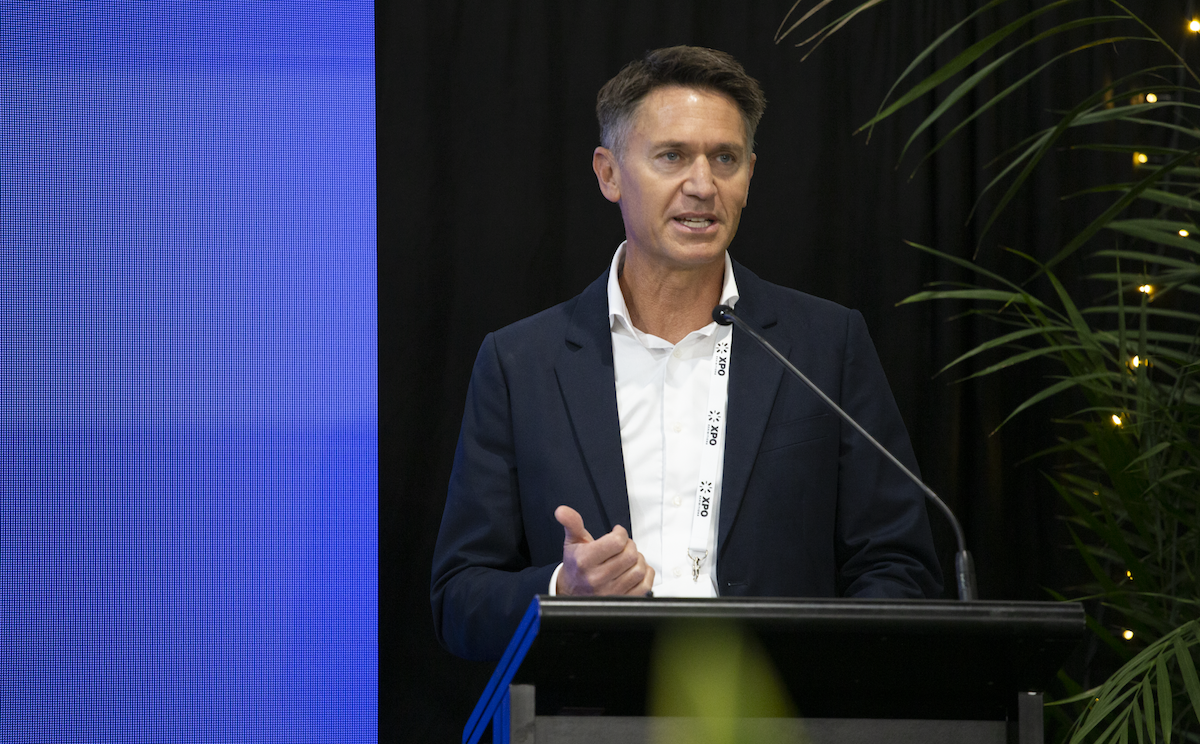
I sold my own business - a nationwide online platform with 160,000 members - to a Fortune 500 company.
The process took nine months. What I didn't have was someone sitting alongside me throughout - independent of the lawyers, the accountants and the buyer - whose only job was to keep me focused, hold the thread across all the moving parts and make sure the business kept performing while the transaction consumed everything else.
I learned what that absence costs. Not from a case study. From nine months of living it.
That experience is why this service exists. I know exactly where owners get pulled off course during a sale process because I was pulled off course myself. I know what the pressure feels like at month six when the buyer returns with another round of questions and your team is starting to sense something is happening. I know what it means to reach completion and wonder whether you got the outcome the business deserved.
What I bring isn't a framework from a textbook. It's the hard-won perspective of someone who has been through it - and has built a practice specifically to help owners avoid the mistakes that cost them.
I'm not a lawyer, accountant or investment banker and I don't replace any of them. I work alongside your existing advisors - coordinating across workstreams, filling the gaps between them and keeping the owner at the centre of a process that can otherwise feel like it's happening to them rather than for them.
I also work constructively with the professional networks involved in transactions - legal, accounting, banking and advisory - and am always open to introductions where the fit is right.
Every engagement is scoped and priced upfront - no open-ended billing, no surprises. Typically this involves a preparation phase before the process begins, active support throughout DD and the transaction, and a defined close at completion.
A first conversation is confidential and costs nothing. If the fit is right and the timing makes sense, we'll agree a structure that works for both of us.